Our Garage Door Repair Process – From Your Call to a Tested Door
Clear, step by step garage door repair across New Braunfels, Gruene, McQueeney, and Marion. You tell us what happened, we inspect the full system, you approve a written price, and we repair and test the door before we leave.
- Diagnose First
- Price Before Work
- Tested Before We Leave
- 30 Day Workmanship Guarantee
How Does Our Garage Door Repair Process Work, Start to Finish?
It runs in four steps. You call and tell us what the door is doing. A technician inspects the springs, cables, rollers, tracks, sensors, and opener to find the real cause. You get your options and a written price before anything is done. Then we make the repair, test the door, and clean up. No guessing and no surprise charges.
Leave it where it is and keep kids and cars clear. If your car is trapped or the door is stuck open, tell us right away.
Call (831) 821-5151Step 1: Tell Us What Happened
A good repair starts with a good phone call. What you tell us helps the technician show up ready, often with the parts the job is most likely to need.
What we’ll ask you
- What the door is doing right now
- When it started, and whether you heard a loud bang
- If it’s stuck open or closed, or a car is trapped inside
- Your opener brand, if you know it
- Single or double door, and how often the garage gets used
| What You Notice | What It May Point To |
|---|---|
| Loud bang, door won’t lift | A broken spring |
| Door reverses before closing | Safety sensors blocked or out of line |
| One side hangs lower | A cable off its drum or snapped |
| Motor hums, door doesn’t move | A worn gear or a broken spring |
| Remote dead, wall button works | The remote battery or the receiver |
These are possible causes, not a diagnosis. The inspection confirms what’s actually wrong.
Honest timing. If a same day visit isn’t possible, we tell you on the call and offer the next opening, which is usually the next day.
While You Wait: What to Do and What to Avoid
A broken or disconnected spring can make the door extremely heavy and difficult to control. These few steps keep everyone safe until the technician arrives.
Do
- Leave the door where it is
- Keep kids, pets, and cars clear of the opening
- Unplug the opener if it keeps straining or clicking
- Tell us if the door is stuck open or a car is trapped
Don’t
- Touch, loosen, or wind the springs
- Keep pressing the remote on a door that won’t move
- Try to force, lift, or lower a door that feels unusually heavy
- Remove cables, brackets, or bolts
Step 2: We Inspect the System
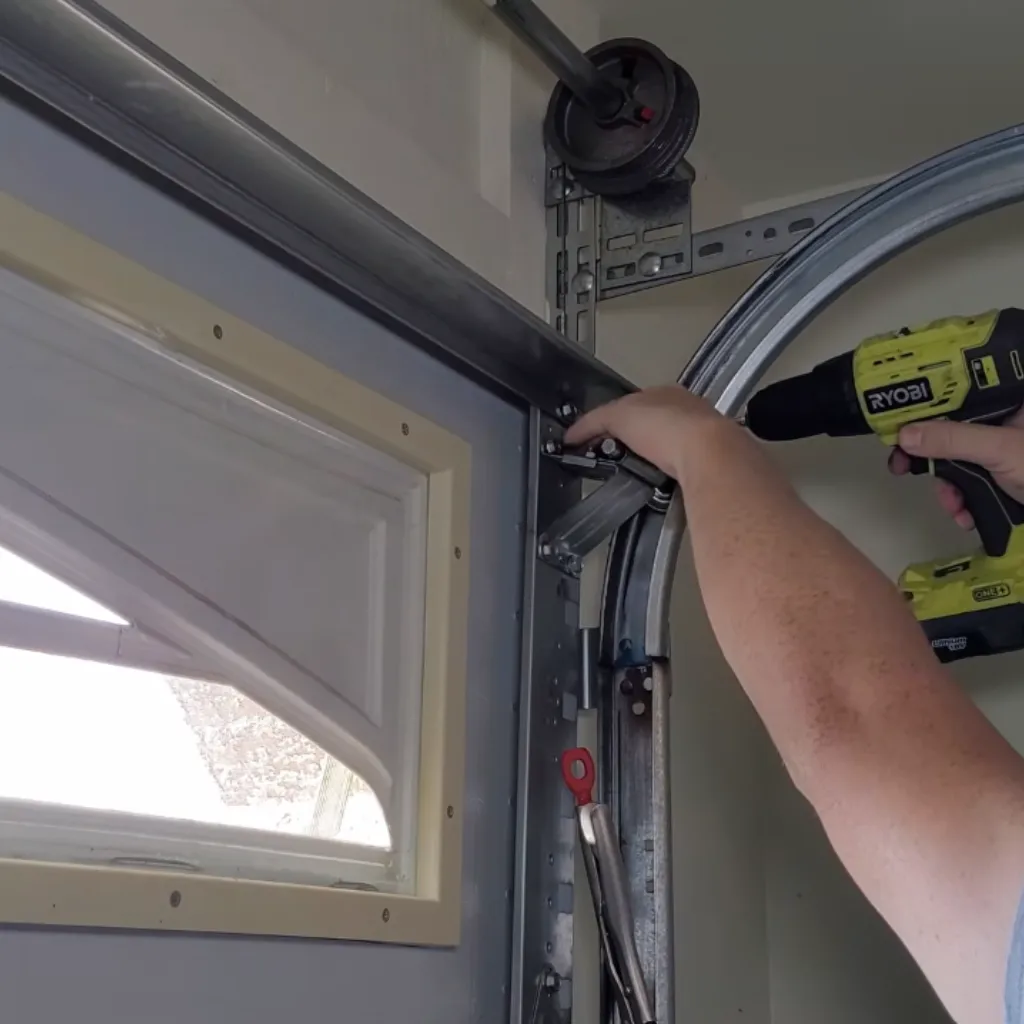
The technician checks the whole door, not just the part you called about. A failed spring, worn hardware, or an unbalanced door can put additional strain on the opener and other components.
No part is recommended until the full system is checked.
| Part | What We Check | Why It Matters |
|---|---|---|
| Springs | Gaps, rust, stretch, and size for the door’s weight | Worn or wrong springs leave the door out of balance |
| Cables and drums | Fraying, slack, and how the cable sits on the drum | A worn cable can snap and drop one side |
| Rollers and hinges | Wear, wobble, and noise | Worn rollers bind in the track and strain the opener |
| Tracks | Bends, gaps, and loose brackets | A bent track can pull the door off its path |
| Safety sensors | Alignment, wiring, and clean lenses | Safety sensors are designed to prevent the door from closing when the beam is interrupted |
| Opener | Gear, drive, board, and force and travel settings | Settings that are off can hide a door problem |
| Door balance | How the door holds when lifted halfway by hand | A properly balanced door should stay near the position where it is tested. Drifting or dropping can indicate a balance or hardware problem. |
Step 3: You Get Your Options
The technician shows you what failed and explains it in plain words. If repair makes sense, we say so. If replacement is the better long term choice, we explain why. Then you decide.
Repair usually makes sense when
- One part failed, like a spring, cable, roller, or sensor
- Panels are straight and the tracks aren’t badly bent
- A newer opener has a single failed part
Replacement may make sense when
- Several panels are damaged
- Many parts are failing at once
- Repair costs come close to the price of new
- An older opener lacks modern safety features or has repeated failures
What your written price shows
You see every line before you approve. If we spot another worn part while we work, we show you and ask before anything is added.
You approve the price before any work starts. Nothing is added without your OK.
- Failed partWhat broke and why
- Replacement partType and size matched to your door
- LaborWhat the work includes
- Guarantee30 day workmanship, plus any manufacturer warranty
- TotalApproved by you before work starts
Step 4: We Repair and Test
Parts are matched to your door’s size, weight, and system. If a door uses two matched springs and one breaks, we may recommend replacing both because they have typically experienced similar cycle use. We explain the reason before any replacement. Many repairs are finished in one visit when the needed parts are on hand.
Before we call it done
- Balance test with the door lifted by hand
- Safety reverse test using the manufacturer’s recommended test method
- Sensor alignment check
- Force and travel limits set on the opener
- Several full open and close cycles
- A listen for grinding, rubbing, or popping
The repair isn’t complete until the door’s safety features have been tested.
When We Leave
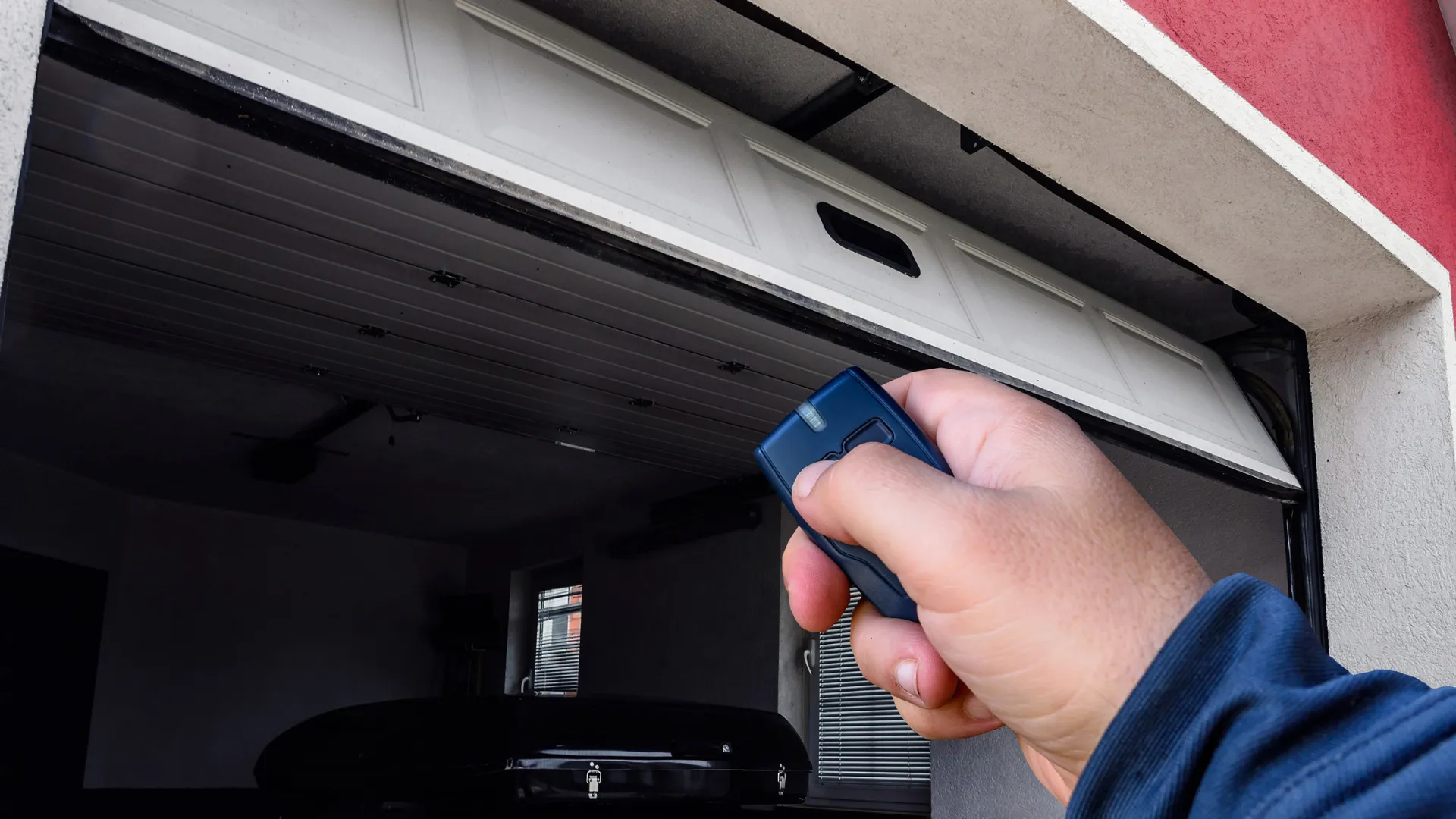
The job ends with you knowing exactly what was done and what to watch for next.
A Walkthrough
We show you what was repaired and how the door runs now.
Old Parts Hauled Away
Broken springs and worn parts go with us, and the work area is left clean.
A Written Invoice
Parts, labor, and the total you approved.
Your Guarantee
A 30 day workmanship guarantee, plus any manufacturer warranty on new parts.
After the repair
- Listen for new grinding, popping, or squealing
- Wipe the sensor lenses every few months
- Follow the door and opener manufacturer’s maintenance recommendations, and have moving hardware inspected when needed
- Call if the door drifts, jerks, or reverses on its own
What Happens When Steps Get Skipped
Every step is there for a reason. Here’s what can go wrong without it.
Skip the Phone Questions
The technician arrives without the likely parts, and a simple fix turns into a second trip.
Skip the Full Inspection
A new spring goes in, but a frayed cable was worn too and fails a week later.
Skip the Written Price
The bill grows after the work is done, and you never got the chance to say no.
Skip the Testing
The door closes, but nobody checked that it reverses when something is in its way.
Diagnose First vs Parts Swap
Some repair visits start with a guess. Here’s the difference you’ll notice.
The parts swap approach
- Guesses from the symptom
- Replaces the biggest part first
- Explains the price after the work
- Little or no testing before leaving
- May recommend replacement before checking whether the failed component can be repaired
Our process
- Inspects the full door system
- Shows you the failed part
- Gives a written price before work
- Tests balance and safety reverse every time
- Recommends repair when repair makes sense
How the Process Fits Your Area
The steps stay the same everywhere. What we prepare for can change with the neighborhood.
Gruene, Oak Run, and Downtown
Older homes may still have original springs and openers, so we check parts for fit and look for safety sensors on older units.
Along Hwy 46 and FM 1101
Newer homes may have builder installed springs and openers, so we check the installed components and any applicable warranty considerations.
McQueeney and Lake Dunlap
Lake homes that sit for weeks may need a closer look at springs, cables, and rust.
Marion and Geronimo
Detached garages and shop doors may be heavier, so springs and openers are sized for the real weight.
Questions About Our Process
Do you charge for the service call or inspection?
If a service call charge applies to your visit, we tell you when you call, before anything is scheduled. You always get the repair price before work starts.
Do you charge extra for nights or weekends?
Any applicable after hours, weekend, or emergency charges are explained before the appointment is scheduled. You will know the service terms before approving the repair.
Can most repairs be finished in one visit?
Many routine repairs can be completed in one visit when the required parts are available. More complex repairs or jobs that need special order parts may take additional time.
What if you find more than one problem?
We show you what we find and explain which issues affect safe operation or reliable performance. Nothing additional is repaired without your approval.
Can the price change after I approve it?
The approved repair price does not change without your approval. If another issue is discovered during the work, we explain it and provide the additional price before doing anything beyond the original scope.
What payment methods do you accept?
Payment options can vary by appointment. Ask when you schedule so you know which methods are available for your repair.
Do you replace both springs if only one broke?
If the door uses two matched springs, replacing both may make sense because both have experienced similar cycle use. We explain the recommendation and price before replacing either spring.
What if the same problem comes back?
Contact us so we can inspect the issue and determine whether it relates to the original repair. Workmanship coverage applies according to the terms provided with your repair.
See the Process in Action
Read how these steps apply to specific repairs.
Ready to Get Your Door Working Again?
Tell us what the door is doing. We’ll help you stay safe, identify the real cause, and give you the price before you approve the work.
Garage door repair in New Braunfels, TX and the surrounding communities.